Pest control is often associated with one simple solution: spraying chemicals. However, effective pest management, especially in food facilities, warehouses, restaurants, and commercial premises is much more than applying pesticides.
At Environ Plus Enterprises, we believe that successful pest management starts with prevention, monitoring, identification, and continuous improvement. This is the foundation of an Integrated Pest Management (IPM) approach.
What Is Integrated Pest Management?
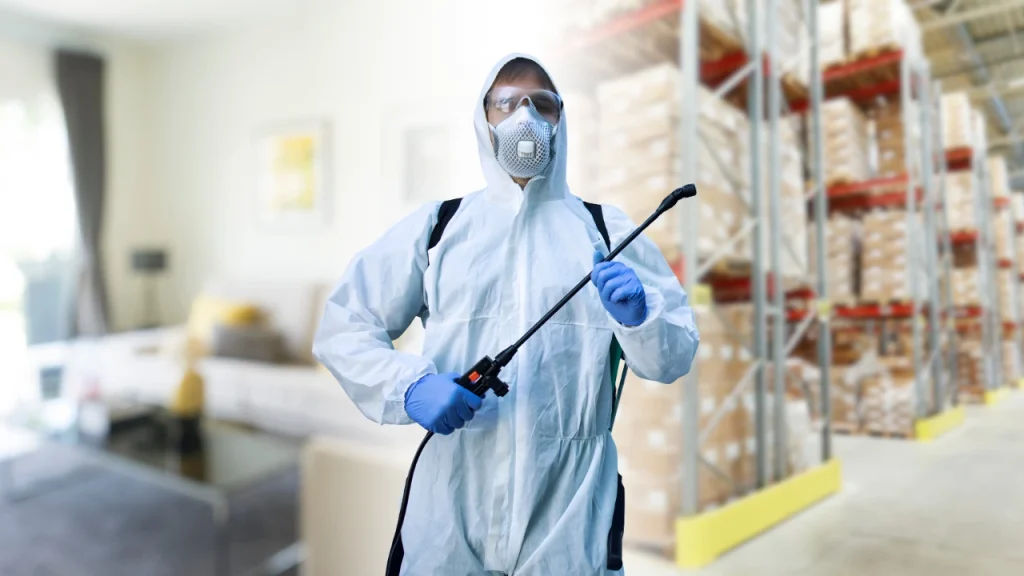
Integrated Pest Management is a systematic approach to preventing and controlling pests by combining multiple control methods rather than relying solely on chemical treatments.
A well-designed IPM program focuses on understanding why pests are entering or surviving in a facility and addressing the conditions that allow them to thrive.
These may include:
- Poor sanitation and cleaning practices
- Food or product residues
- Improper waste management
- Structural gaps and openings
- Uncontrolled access points
- Moisture and water sources
- Improper storage practices
- Inadequate monitoring
- Poor housekeeping
By identifying and correcting these factors, pest activity can be reduced at its source.
Why Is Pest Prevention Important?
Pests are not simply an inconvenience. In food-related and commercial environments, they can create significant risks to food safety, product quality, hygiene, customer confidence, and regulatory compliance.
Rodents, cockroaches, flies, stored-product insects, ants, birds, and other pests can contaminate products and surfaces, damage packaging, and create conditions that may lead to customer complaints or audit findings.
For this reason, businesses should not wait until a serious infestation occurs before taking action.
PREVENTION IS ALWAYS BETTER THAN REACTING TO AN INFESTATION.
The Key Elements of an Effective IPM Program
1. Inspection
A professional pest management program begins with a detailed inspection.
The objective is to identify existing pest activity, potential entry points, harborage areas, food and water sources, and other conditions that could support pest activity.
2. Monitoring
Regular monitoring helps identify pest activity before it becomes a major problem.
Depending on the facility and pest risk, monitoring may include traps, insect light traps, pheromone monitoring devices, rodent monitoring stations, visual inspections, and other appropriate methods.
Monitoring results should be documented and reviewed to identify trends and recurring problem areas.
3. Sanitation and Housekeeping
Good sanitation is one of the most important components of pest prevention.
Food residues, spilled products, accumulated waste, standing water, and poorly maintained areas can provide pests with the resources they need to survive.
An effective IPM program therefore works together with the facility’s cleaning and housekeeping practices.
4. Exclusion
Pests need access to a facility before they can establish an infestation.
Doors, windows, drains, wall penetrations, damaged screens, cracks, gaps, and other openings can provide entry routes.
Identifying and eliminating these access points can significantly reduce the risk of pest entry.
5. Trapping and Mechanical Control
Where appropriate, trapping and other non-chemical control methods can be used to reduce pest populations.
These methods are particularly valuable in sensitive environments where unnecessary chemical application should be minimized.
6. Corrective Treatment
When pest activity is identified, appropriate corrective action should be taken based on the type of pest, level of activity, location, and risk associated with the facility.
Chemical treatments should be selected and applied responsibly by trained personnel and in accordance with applicable requirements and product-label instructions.
Pest Control and Food Safety
For food businesses, pest management should be considered an important part of the overall food safety system.
A strong pest management program can support food safety objectives by helping to prevent contamination, protect products, maintain hygienic conditions, and demonstrate effective control during internal and external audits.
However, pest control should not operate as a separate activity. It should work alongside cleaning, sanitation, maintenance, waste management, storage practices, and employee awareness.
What Makes a Good Pest Management Program?
A professional pest management program should be preventive, documented, measurable, and continuously reviewed.
It should answer important questions such as:
- What pests are relevant to the facility?
- Where are they likely to enter?
- What conditions could attract or support them?
- Where should monitoring devices be located?
- What trends are being observed?
- What corrective actions are required?
- Are previous corrective actions effective?
- Is the program meeting the facility’s requirements and audit expectations?
Simply placing traps around a facility is not enough. The effectiveness of the entire program needs to be evaluated.
Our Approach at Environ Plus Enterprises
At Environ Plus Enterprises, our approach is based on the principles of Integrated Pest Management.
We focus on inspection, prevention, cleaning, trapping, monitoring, identification, corrective action, and continuous improvement to develop practical pest management solutions suited to our customers’ facilities.
Our objective is not simply to respond when pests are found. It is to help customers establish a proactive pest management system that protects their products, premises, and reputation.
A Pest-Free Environment Starts with Prevention
Effective pest management is a continuous process, not a one-time treatment.
Whether you operate a food facility, warehouse, restaurant, commercial building, or other business premises, a properly designed IPM program can help reduce pest risks and support a cleaner, safer, and more hygienic environment.
Environ Plus Enterprises is committed to providing professional and integrated pest management solutions designed around the specific needs and risks of our customers.
Prevention. Monitoring. Control. Protection.
Environ Plus Enterprises — Integrated Pest Management Solutions